Build Guide - Weapon Pairs, Edges & Abilities
How builds actually work in Phantom Blade Zero: there are no classes, so this guide covers weapon pairings, Phantom Edge picks, ability-tree purchases and accessory polishing.
Quick Answer: How Do Builds Work in Phantom Blade Zero?
There are no classes. A build is: two melee weapons (one pair), two Phantom Edges, an accessory loadout, and a handful of ability-tree nodes — with permanent stats coming from fragments, not levels. The loadout that covers every fight in the game: one fast one-hander (your parry platform — the Wooden Sanguine is the archetype) plus one heavy two-hander (your Guard Break stick — Scarlet Wraithblade or Juggernaut), one ranged or stagger Edge (Feather Bow or Bashpole) plus one traversal/tool Edge (the Hunter's Chain Sickle). Everything else is tuning.
| Slot | Pick | Job in the Build |
|---|---|---|
| Primary 1 (one-handed) | Wooden Sanguine / Jagged Steel | Parry platform; Bleed pressure vs flesh |
| Primary 2 (two-handed) | Scarlet Wraithblade / Juggernaut | Guard Break, boss punish, execution setup |
| Phantom Edge 1 | Feather Bow / Dread Axe | Ranged pressure or charged burst |
| Phantom Edge 2 | Hunter's Chain Sickle / Bashpole | Traversal tool / stagger |
| Ability nodes | Masterful Flow → Redirect Force | Faster switches; refunds on clean defense |
The Three Build Archetypes
The community's three honest archetypes: the Bleed specialist (Jagged Steel plus a Twin Blade, status riders stacking — dominant against flesh, crippled against constructs, which is why the second slot exists), the Duelist (fast one-hander plus Sanguine-buff window play, built around parry precision and Perfect Combo timing), and the Breaker (double heavy with Bashpole stagger, built to create and exploit Guard-Broken windows). The enemy roster punishes specialization: puppets and constructs ignore Bleed, wraiths punish passive guard, bosses grade the full grammar — so the real "best build" is the pair that covers your next region's roster.
Ability Purchases That Change the Game
The Blackstone-funded tree has two landmark buys. Masterful Flow level 1 (one Blackstone) cuts the weapon-switch cooldown by two seconds — and because switching is both your Sha-Chi reset and your combo extender, it upgrades every weapon you own simultaneously. Redirect Force (two Blackstones) refunds Sha-Chi on clean parries and dodges — the wraith-fight answer and the parry-player's dream. Later, Endless Renewal (executions restore HP and Sha-Chi) converts your execution habit into sustain, and Steady Composure makes post-dodge interrupts more reliable. The Banyan trials gate the deepest nodes: five trial trees exist, their Hearts are the material, and a few can be bought.
Accessories and the Polish Economy
Accessories are the quiet third of a build. They grant passive bonuses — the Token of Pursuit's +7% damage against Guard-Broken enemies is the canonical example — and the Village of Lu is where slots and buff options expand, which is when accessory math stops being optional. Polish them as you would weapons: the materials are common, the windows multiply your existing game plan (Breaker builds want Guard-Broken damage; Duelists want parry-window effects). Outfits, by contrast, are purely cosmetic — buy the look, not the stats.
Sample Builds by Playstyle
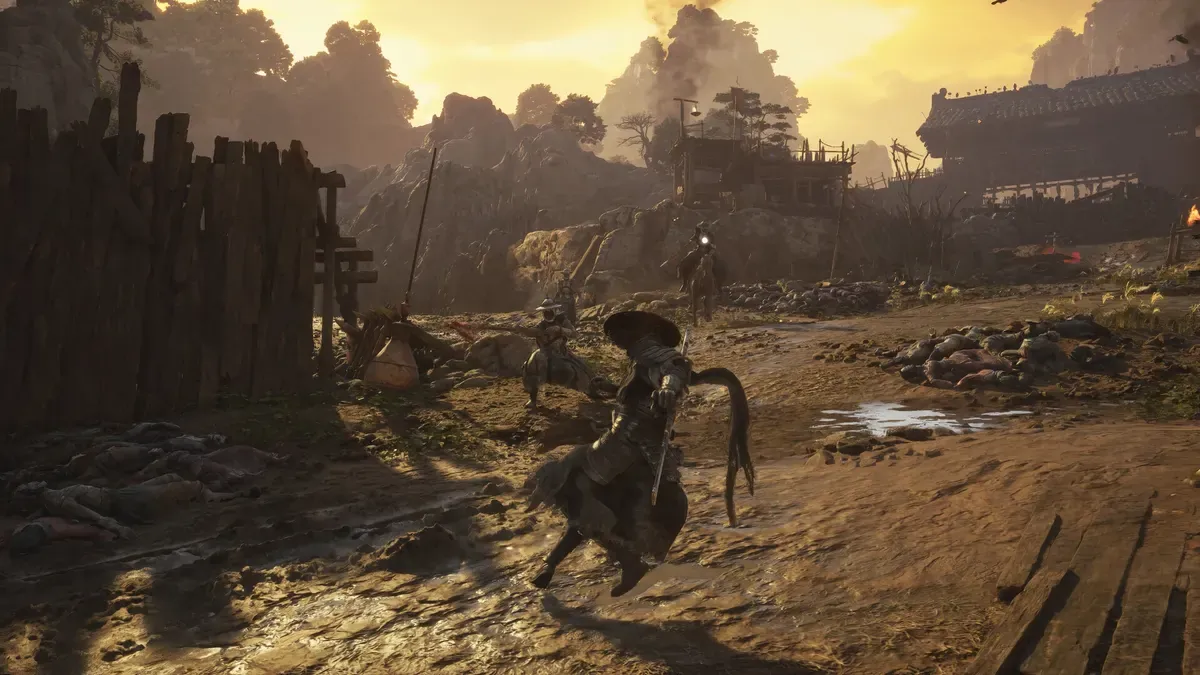
Three worked examples straight from the systems above. The Bleed Specialist: Jagged Steel (level 5, immediately) plus any Twin Blade, Feather Bow edge, Token of Pursuit accessory — it deletes flesh enemies and camp crowds, and swaps to its heavy slot for puppets. The Duelist: Wooden Sanguine (its level-15 Perfect Dodge refund and level-25 Perfect Combo) plus Soft Snake Sword, Chain Sickle edge, Masterful Flow and Redirect Force — it plays the parry grammar as a damage engine. The Breaker: Juggernaut (parry-charged cleave) plus Scarlet Wraithblade (level-10 explosions), Bashpole edge, Steady Composure and Endless Renewal — it converts every guard break into an execution and every execution into sustain. All three fit inside the free respec window: try each for a talisman stack before committing.
Frequently Asked Questions
Are there classes in Phantom Blade Zero?
What is the best early weapon pair?
Which ability should I buy first?
How do I unlock more accessory slots?
Published October 29, 2026 · Last updated October 29, 2026