Beginner Guide - First Steps & What to Do First
New to Phantom Blade Zero? This beginner guide covers your first hours: the Sha-Chi system, weapon switching, difficulty choice, what to collect, and the mistakes every new player makes.
Quick Answer: What Should You Do First in Phantom Blade Zero?
Learn the two-answer defense early: blue-flash attacks are parried, red-flash attacks are dodged — and almost nothing else about the opening hours matters as much as drilling that grammar. Beyond it, the meta-loop is simple: rest at every Bell you pass (free healing, Medicine refills and map reveals with zero downside — enemies never respawn), sweep each region's collectibles before moving on, and switch weapons whenever your Sha-Chi gauge dips, because the switch refills it instantly. Pick Gamechanger difficulty unless you want the story-only ride; it is the mode the combat was tuned around, and Hellwalker — the master mode — unlocks from it.
Your First Hours, Step by Step
- Play the Prologue duels as tutorials: they teach parry (blue flash), dodge (red flash) and the Shadow Sovereign fight grades both.
- Pick your difficulty with intent: Wayfarer for the ride, Gamechanger for the intended experience, Hellwalker only after a clear.
- Fill both weapon slots early and practice switching mid-combo — the swap quick-attack plus Sha-Chi reset is the core combat verb.
- Ring every Bell: HP + Medicine + Phantom Edge sparks refill, fast travel unlocks, enemies never respawn, new map area reveals.
- Loot and examine everything glowing — scrolls, shrines, lore objects pay Remnant Dust, the universal upgrade currency.
- Clear each region's side quests BEFORE its main mission — quest givers relocate silently (Yu'Er's medicine quest is the famous missable).
The Systems That Matter in Week One
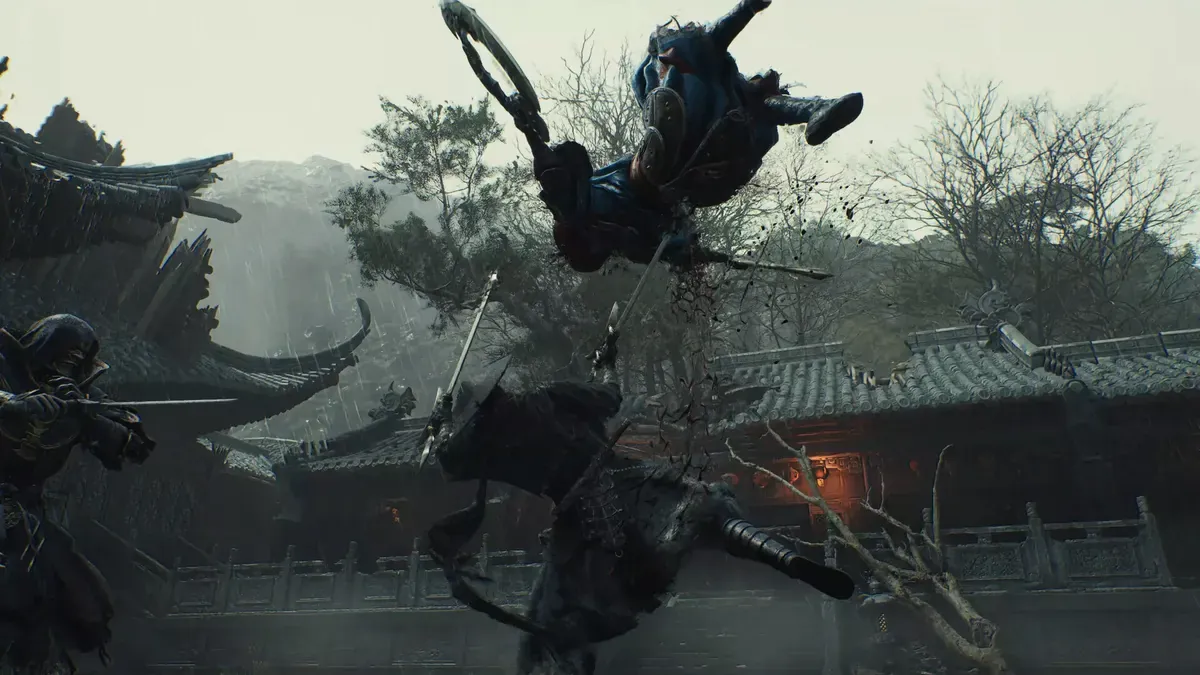
Phantom Blade Zero has no character levels — power comes from three collectible families and weapon upgrades. Blackstone Fragments (four shards = one Blackstone = +10% Attack Power and Guard Break) double as the ability tree's currency. Sha-Chi Amber Fragments (same four-to-one rule) raise your maximum Sha-Chi by 10% per Amber. Memory Flowers grant +5-7% max HP and carry lore — introduced in the Crimson Forest, and worth sweeping before each region boss. Weapon upgrades run on Remnant Dust and unlock new abilities at levels 5/10/15/25. Your first-session shopping list is therefore free: examine everything, open every chest, and level whichever weapon you actually swing — refunds to level 10 are free.
| Priority | System | First-Week Action |
|---|---|---|
| 1 | Sha-Chi / flash colors | Drill parry-blue and dodge-red until reflexive |
| 2 | Bells | Rest at every one — free resources, zero downside |
| 3 | Weapon switching | Practice the swap-reset loop in normal fights |
| 4 | Fragments & Flowers | Sweep each region before its boss |
| 5 | Weapon level 5 | First milestone ability is the biggest power jump |
The Nine Things the Game Barely Tells You
The community's consolidated list of under-explained mechanics, condensed: weapon switching instantly refills Sha-Chi (the meta). You are invincible during executions (time them against incoming attacks). Paths are Metroidvania-gated — Dread Axe breaks chain barriers, the Hunter's Chain Sickle opens traversal — so return to locked paths later. Side quests expire silently. Respec is free to weapon level 10. Weapon abilities live in the inventory's "Advanced" tab. Upgrades unlock at vendors later than the materials arrive (keep playing). Lore objects pay Remnant Dust. And it is not a soulslike: no respawn, no currency loss, no punishment loop.
Early Mistakes That Cost Hours
The five classic ones: mashing (the flash grammar punishes it from the Prologue onward), guarding smoke-marked attacks (they drain Sha-Chi through block — dodge instead), running past Bells (the resources are free), ignoring the second weapon slot (constructs are immune to Bleed — Jagged Steel-only builds hit a wall in the Village of Lu), and advancing the main mission with region side quests still open (they expire). None of these brick a save — the game is forgiving by design — but fixing them early turns the mid-game boss marathon (Hua, Bai Chilian, Red) from a wall into a curriculum.
Frequently Asked Questions
Which difficulty should I pick for a first run?
What should I spend Remnant Dust on first?
Do I need to collect everything before each boss?
Is the Prologue boss supposed to be hard?
Published October 29, 2026 · Last updated October 29, 2026